News releaseAn enterprise collaboration platform releases a new version connecting project files and team discussions
Original writing sample | Fictional project, created to demonstrate copywriting.
The release brings document organization, task coordination and version feedback into a shared workspace, helping participants understand the context, take on work and confirm changes.
Built around everyday project work
An enterprise collaboration platform has introduced a new version for project teams. The release addresses common difficulties with scattered files, hard-to-trace discussions and comments that lack context. Project documents, task records and version feedback are connected within a shared workspace, giving people a clear place to begin each piece of work.
Cross-functional projects often involve several rounds of discussion and revision. When a proposal changes, the reasons behind the changes and the questions still awaiting a decision need to travel with it. Organizing work by project allows people to find the tasks and conversations associated with a document as they read it.
Keeping documents, tasks and feedback connected
Members can organize documents by topic, link tasks to specific materials, and record an owner and current status. New participants can use the project directory to understand the background before starting their assigned work. Each role can view, contribute to or confirm information within the agreed scope of access.
For revisions, the release keeps version notes alongside the feedback they address. Teams can distinguish accepted suggestions from open questions and items awaiting confirmation. Each update records what it resolves and what remains unfinished, providing a useful starting point for the next conversation.
Starting with a working project
The release supports proposal development, client delivery and internal coordination where information needs to be organized over time. A team can begin with a project already in progress, establish its document structure and task conventions, then adjust the setup to fit how its members work.
Further development will focus on document retrieval, feedback organization and project handovers. The team remains responsible for judgments, priorities and final decisions. The platform helps participants work from a shared context and retain the decisions they have reached together.
Brand articleA thoughtful gesture, long after the box is opened
Original writing sample | Fictional project, created to demonstrate copywriting.
A box of tea-time treats can begin a story when its wrapping comes off—and continue it through a cup of tea, a conversation and something shared across the table.
Starting with a table people want to gather around
A tea-time gift brand takes its inspiration from familiar moments: a friend dropping by, colleagues catching up in the afternoon, or family members finally gathering around the same table. Tea is poured, treats are placed on small plates, and the conversation finds its own beginning.
The care behind a gift can be found in how it is chosen and shared. One person reaches for a familiar flavour; another tries a different texture. Someone passes a favourite across the table and explains why they like it. The gift becomes part of a relationship—something people can enjoy and talk about together.
A box that fits different ways of sharing
The brand organizes its gift boxes around these everyday habits. The treats are clearly arranged, making them easy to choose and serve. The whole box can take its place on the tea table, or a few pieces can accompany a warm drink during a quiet break.
The packaging offers the first greeting when the gift is handed over. What comes next belongs to the people sharing it. The experience is designed to continue after opening: easy to take from, straightforward to arrange, and ready to share. The recipient can decide when to enjoy it and whom to invite.
Giving a gift a place in everyday life
During a celebration, a box can accompany a visit. On an ordinary day, it can express thanks for a kindness. Thinking about how someone likes their tea, or whom they might share it with, makes the gesture personal without requiring a grand occasion.
The moment we hope to create continues after the packaging has been set aside. The treats may be finished while the conversation carries on. A gift finds its place in that shared experience: a table, a conversation, and the feeling that someone took the time to prepare a thoughtful welcome.
Project introductionBringing research, collaboration and everyday operations into one place
Original writing sample | Fictional project, created to demonstrate copywriting.
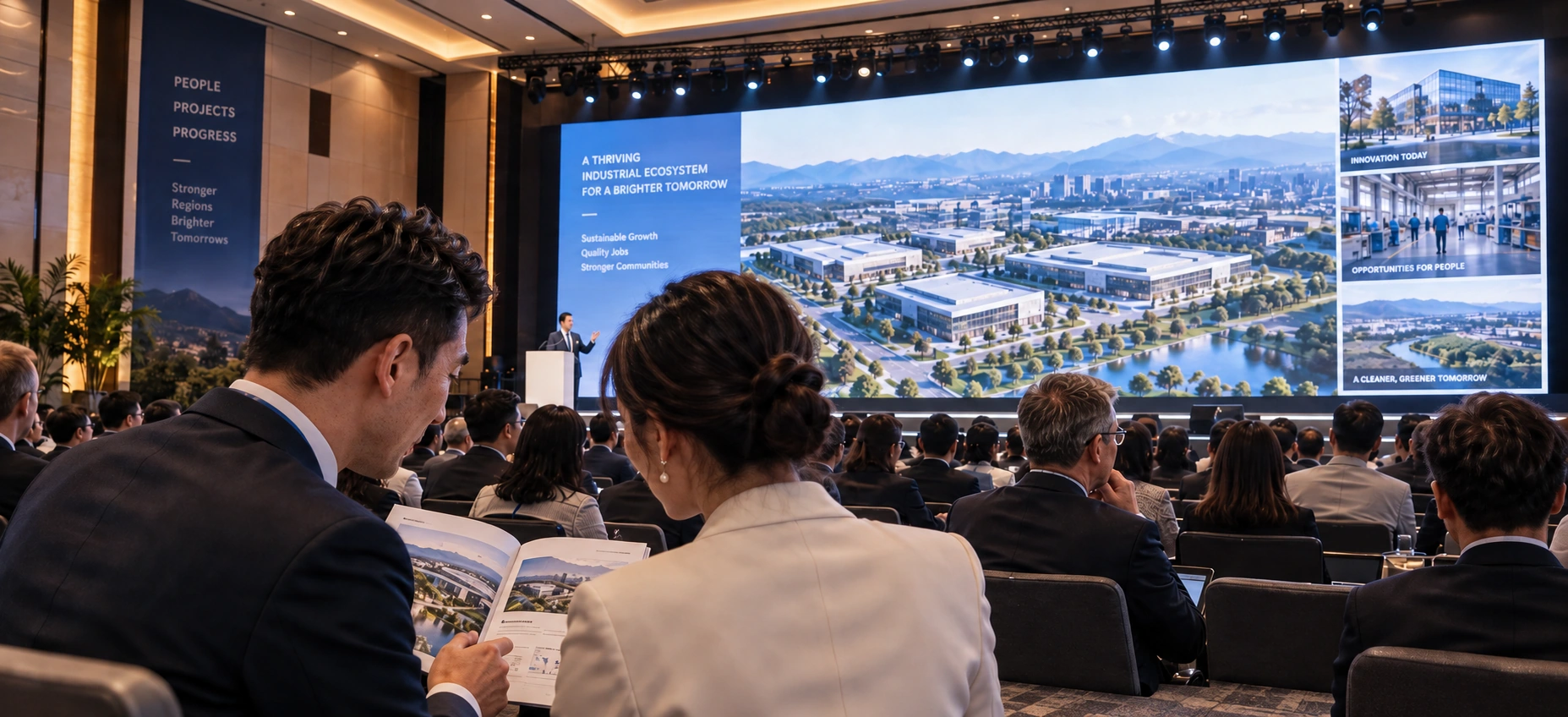
A business park brings together workspaces, meeting areas and operational support around the needs of research and service businesses, offering a clear starting point for companies considering their next location.
Considering how a business works
Choosing a workplace means understanding what the team does each day. Some roles need quiet concentration; others depend on face-to-face collaboration. Equipment and people need appropriate space, and visiting clients need a clear point of arrival. These practical questions shape how the park presents its facilities and services.
The project serves research, technical-service and related businesses, with office and collaboration spaces that can be discussed in relation to their intended use. Companies can consider team structure, equipment needs and working habits when exploring the relationship between individual work areas, meeting rooms and supporting spaces.
Giving work and conversation suitable settings
Meeting and gathering spaces within the park can support proposal discussions, client visits and small themed events. Alongside their own offices, companies have settings for different kinds of conversation. Shared areas are organized around arrival, waiting and interaction, helping visitors understand how each space is used.
For a team that demonstrates products or presents proposals, a site visit can follow the shape of an actual client meeting: how guests arrive, where they learn about the project, and where the discussion continues. Considering these moments together helps identify the space, equipment and support that need to work alongside one another.
Discussing facilities and operational needs together
The park’s operations team coordinates everyday space and service enquiries, helping businesses understand venue arrangements, shared facilities and the process for discussing a move. Specialist equipment, research requirements and other technical needs can be reviewed in further conversations to establish suitability and the scope of support.
Companies can begin by outlining their team structure, intended uses and key questions before arranging a visit. The park can then introduce relevant spaces and conditions, helping the visit lead to practical judgments and a clear basis for the next discussion.









 View image collection ↗
 View image collection ↗
 View full image ↗

 View full image ↗
 View image collection ↗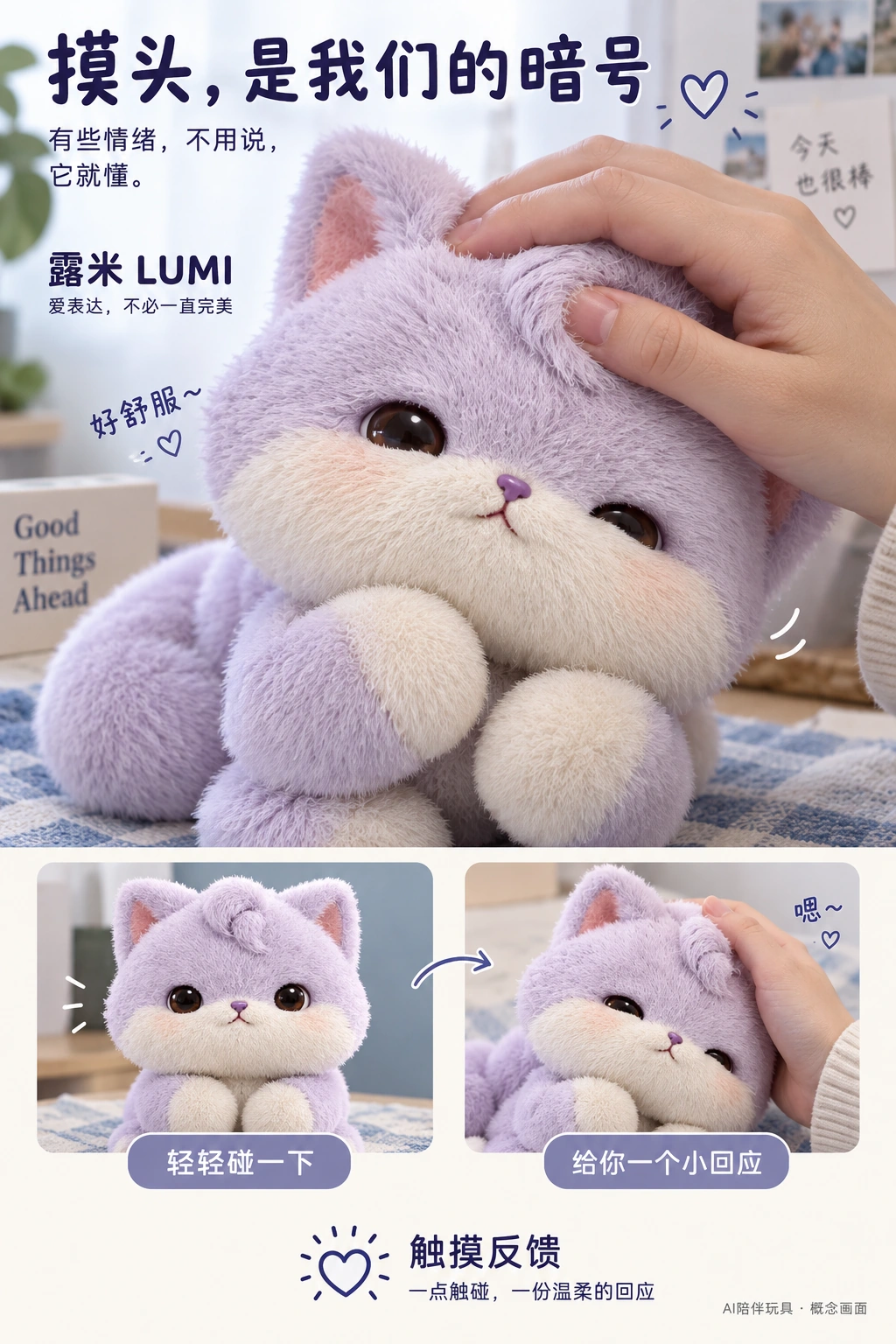
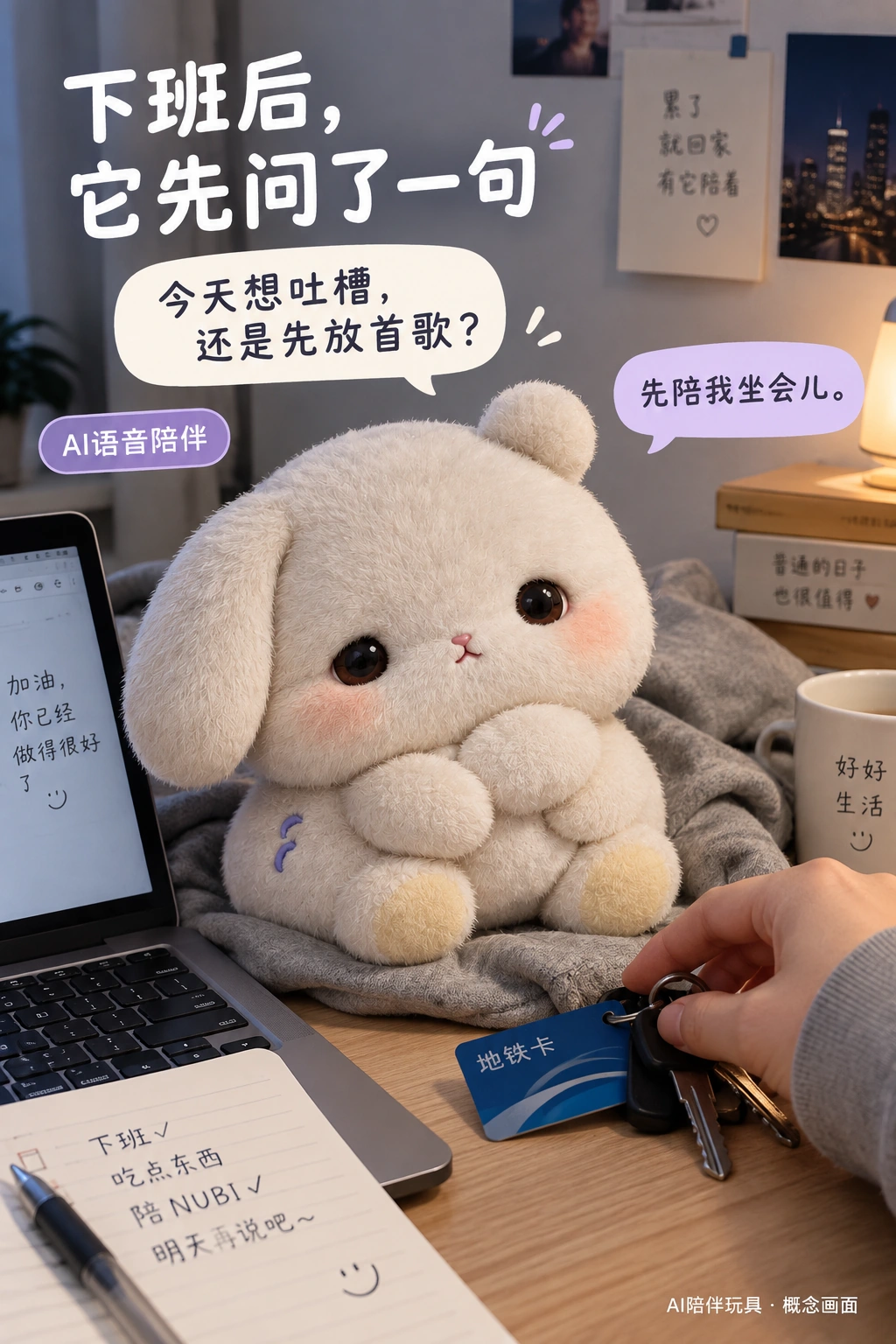
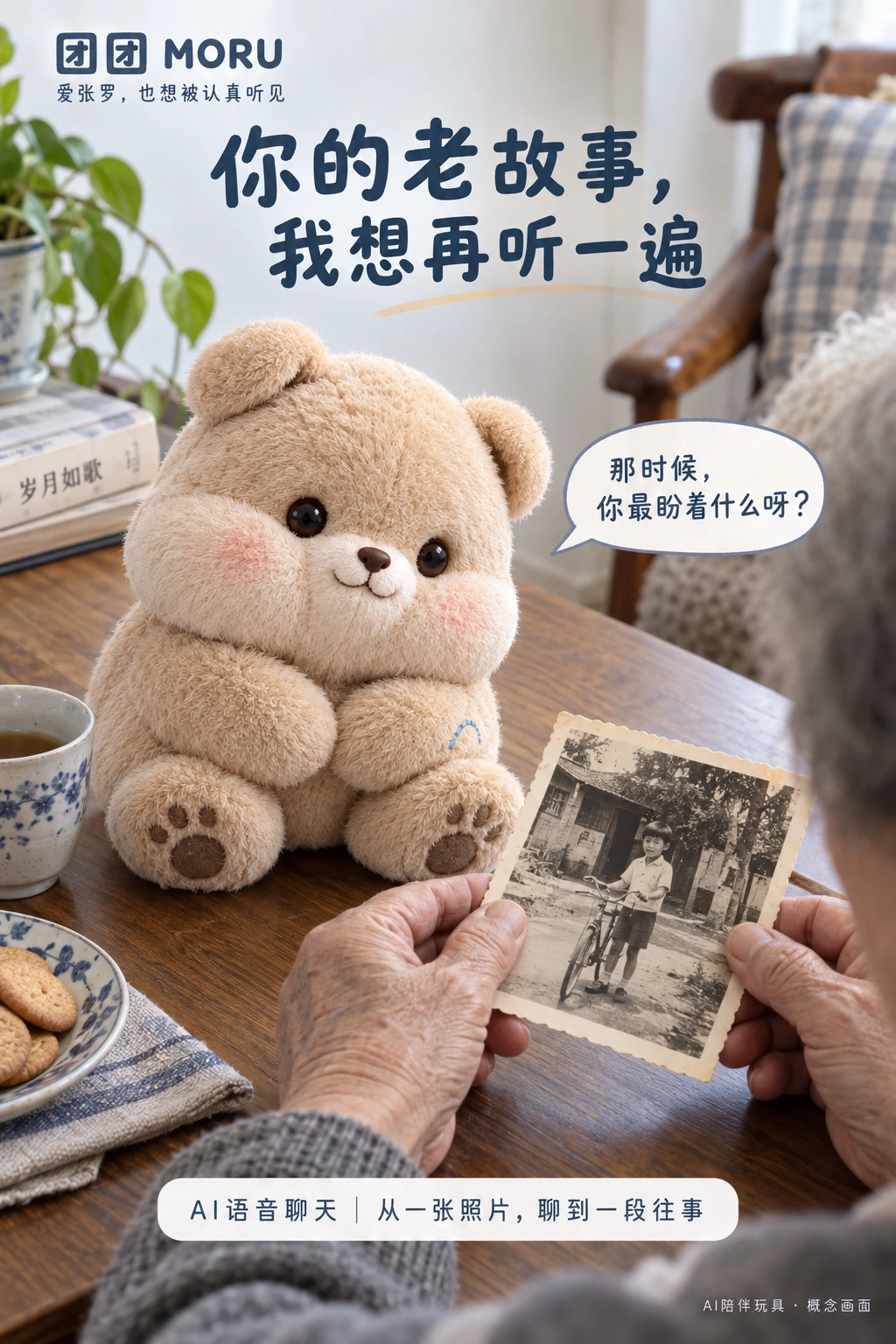
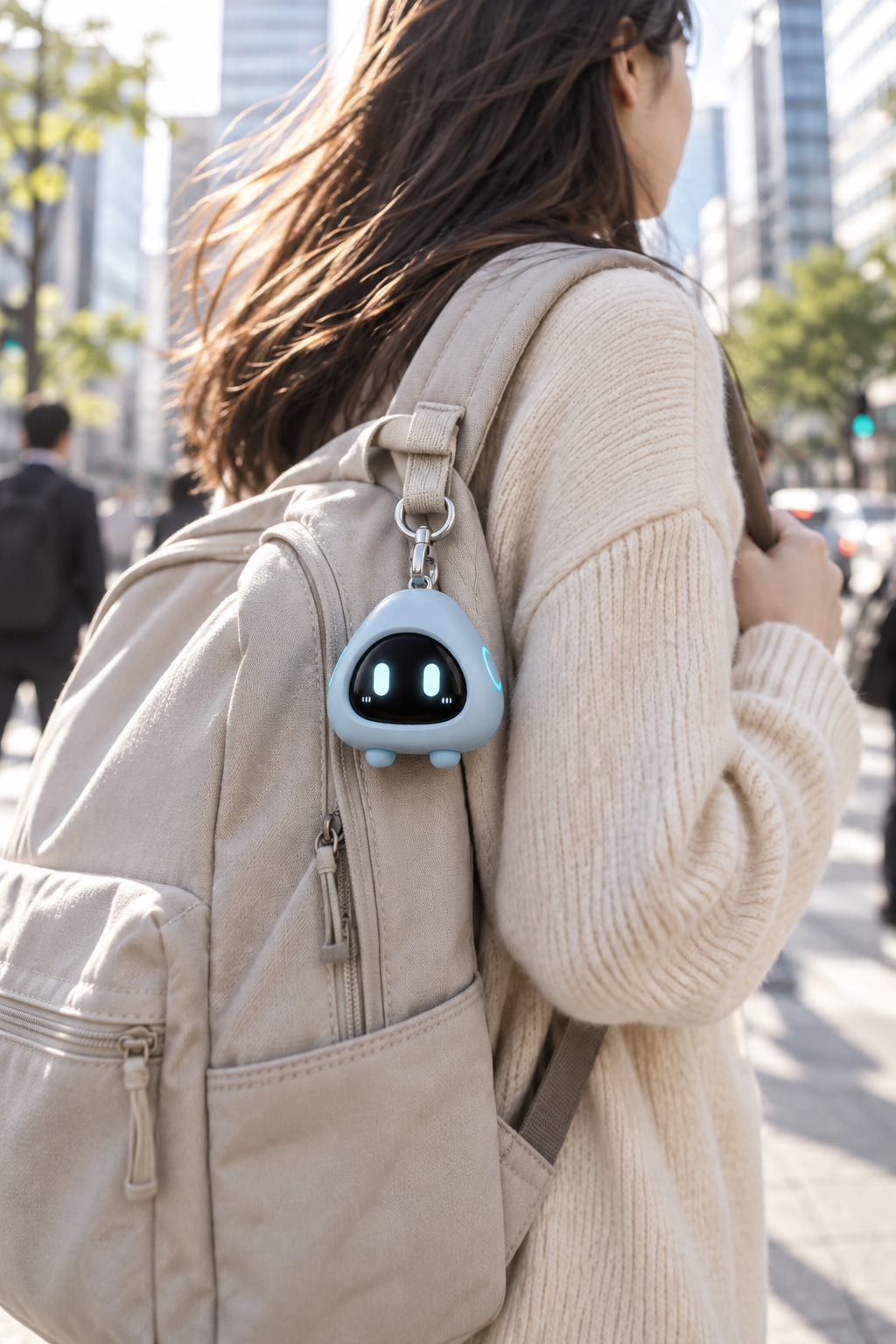
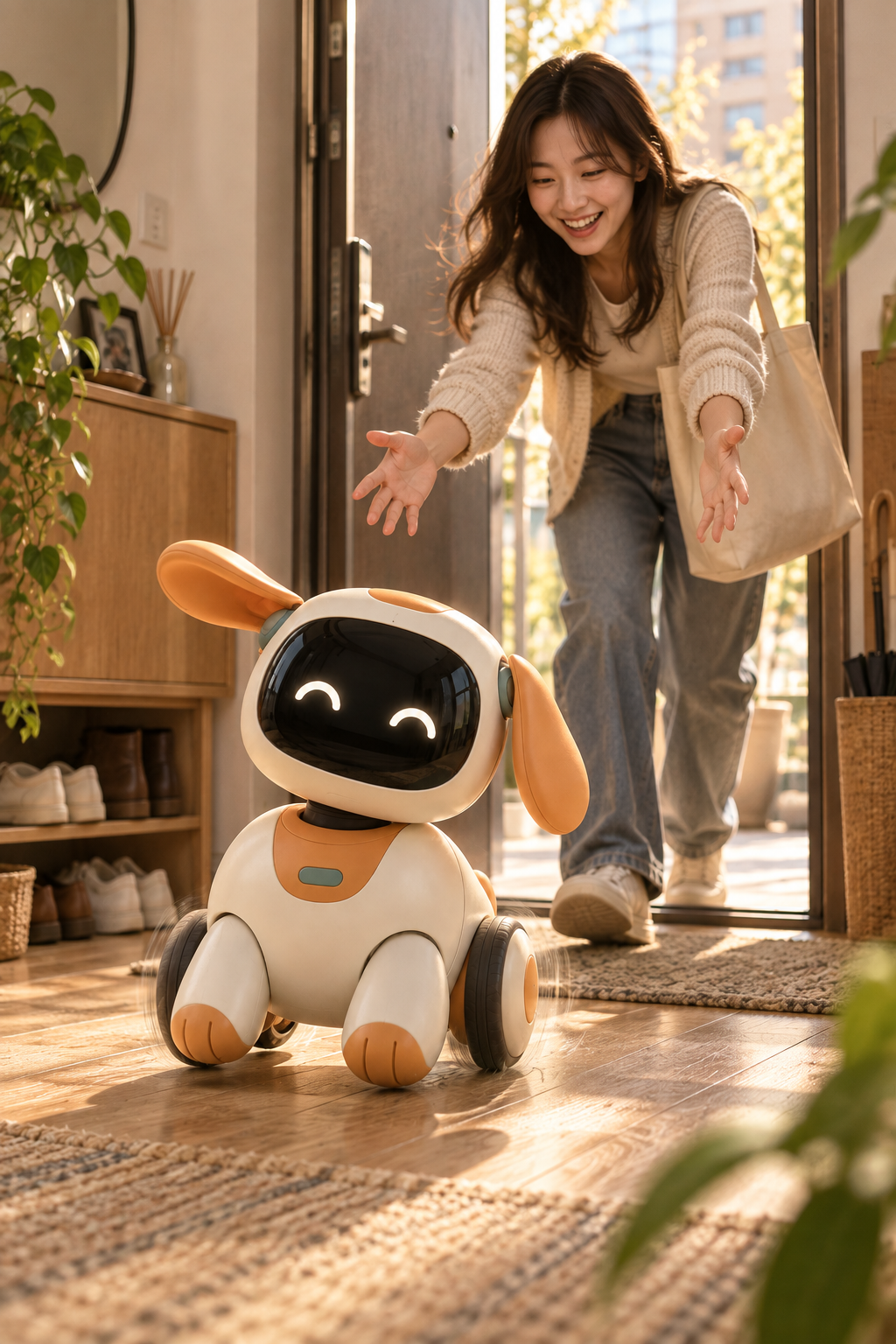
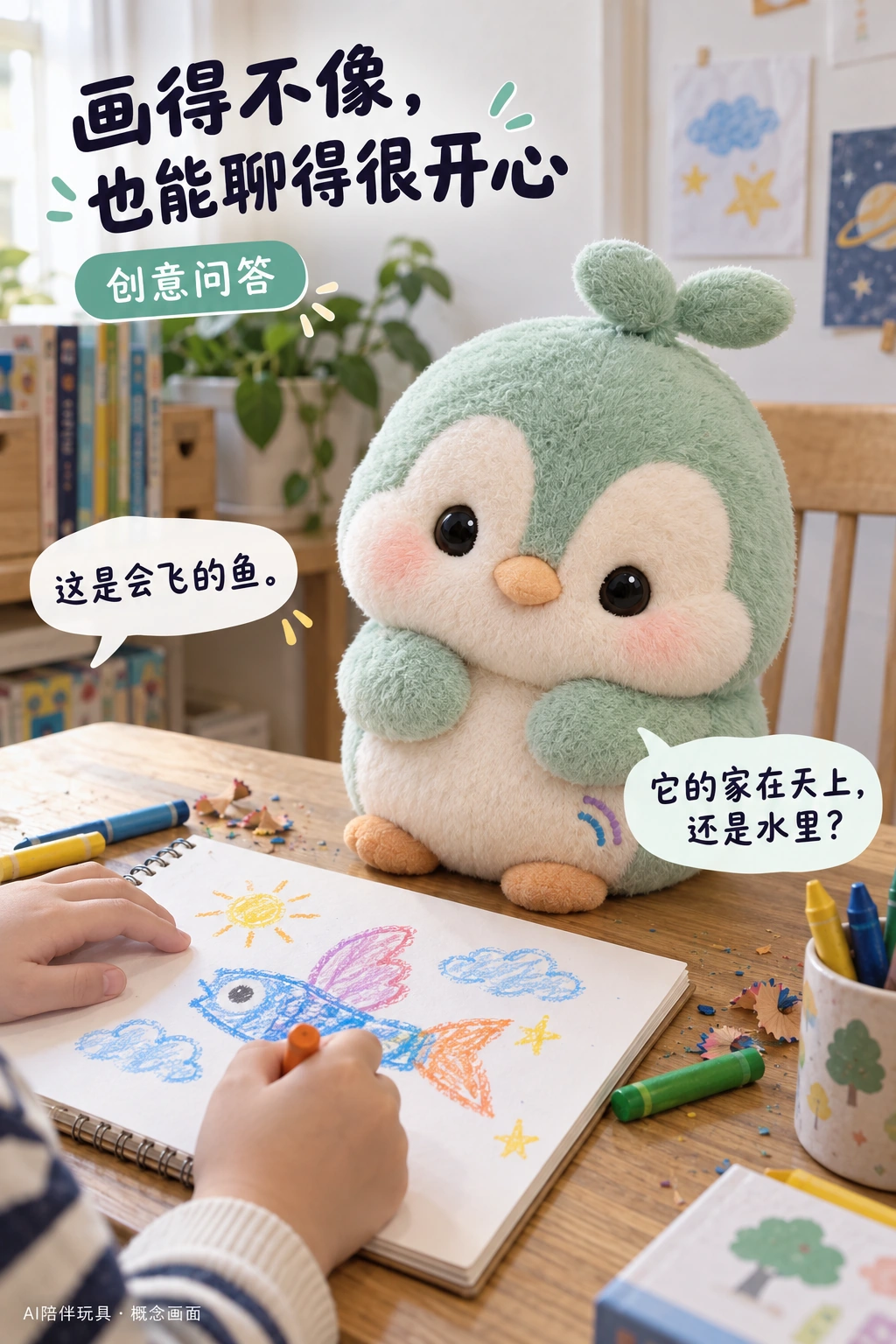 NIMI | Let Curiosity Lead the Story
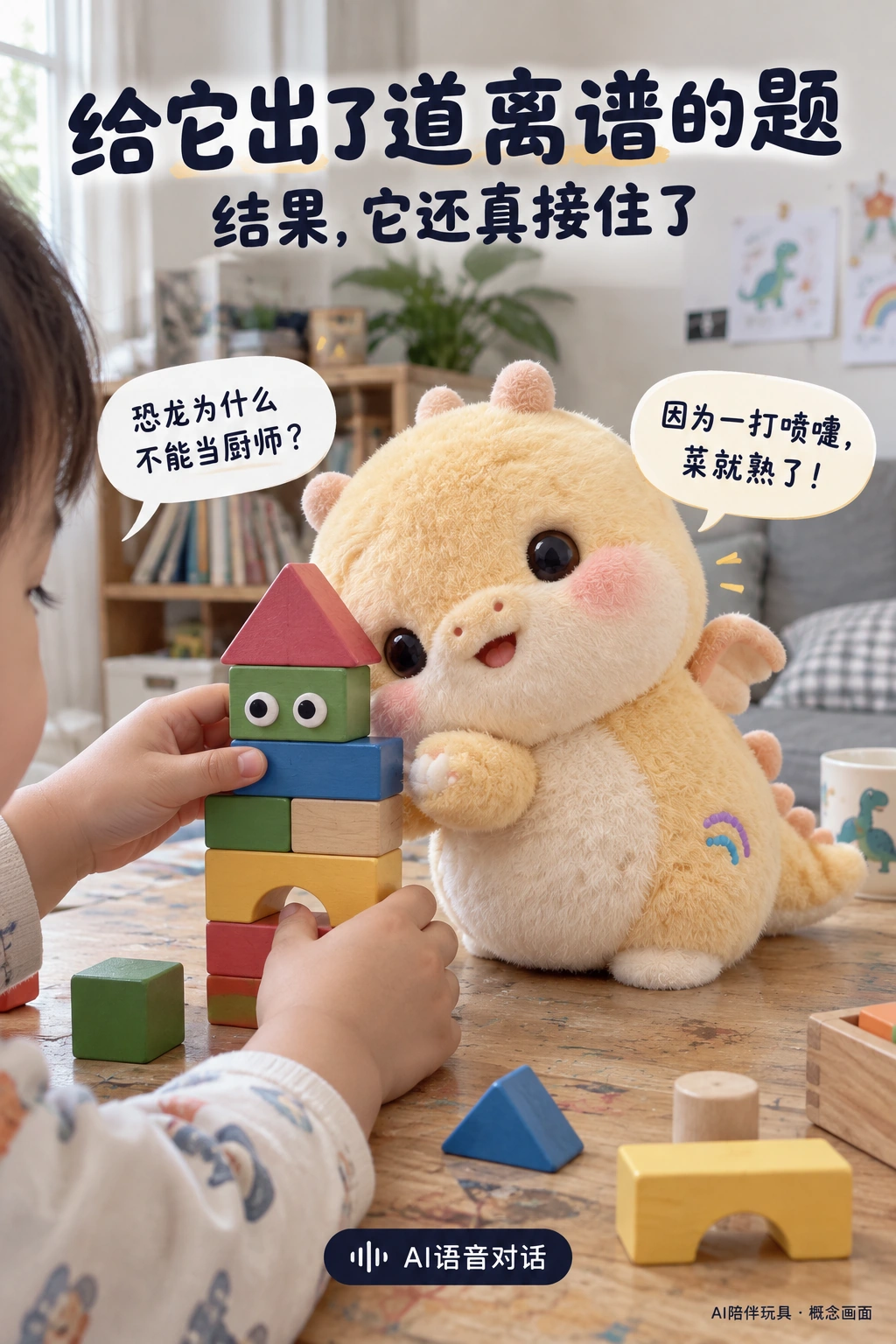
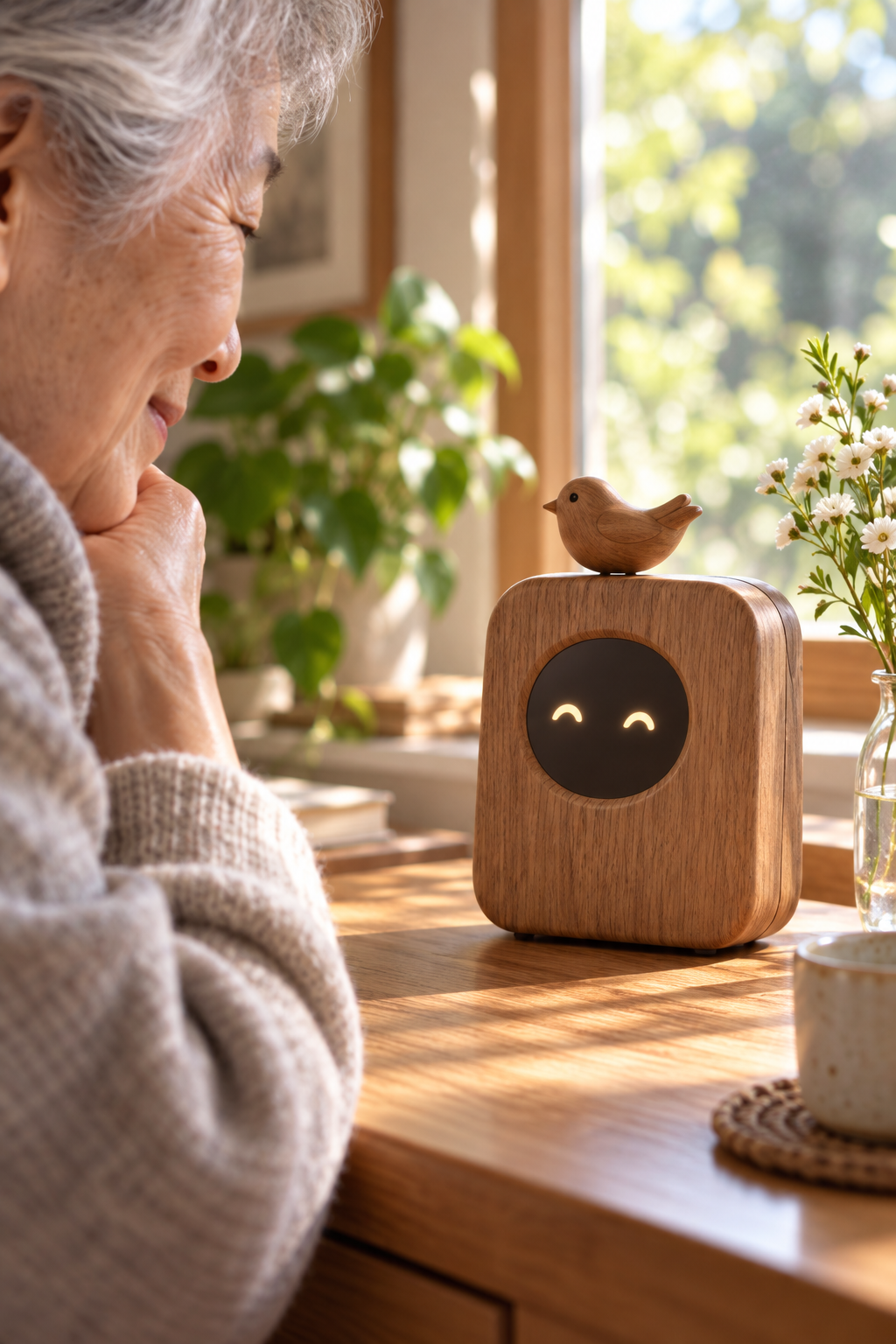
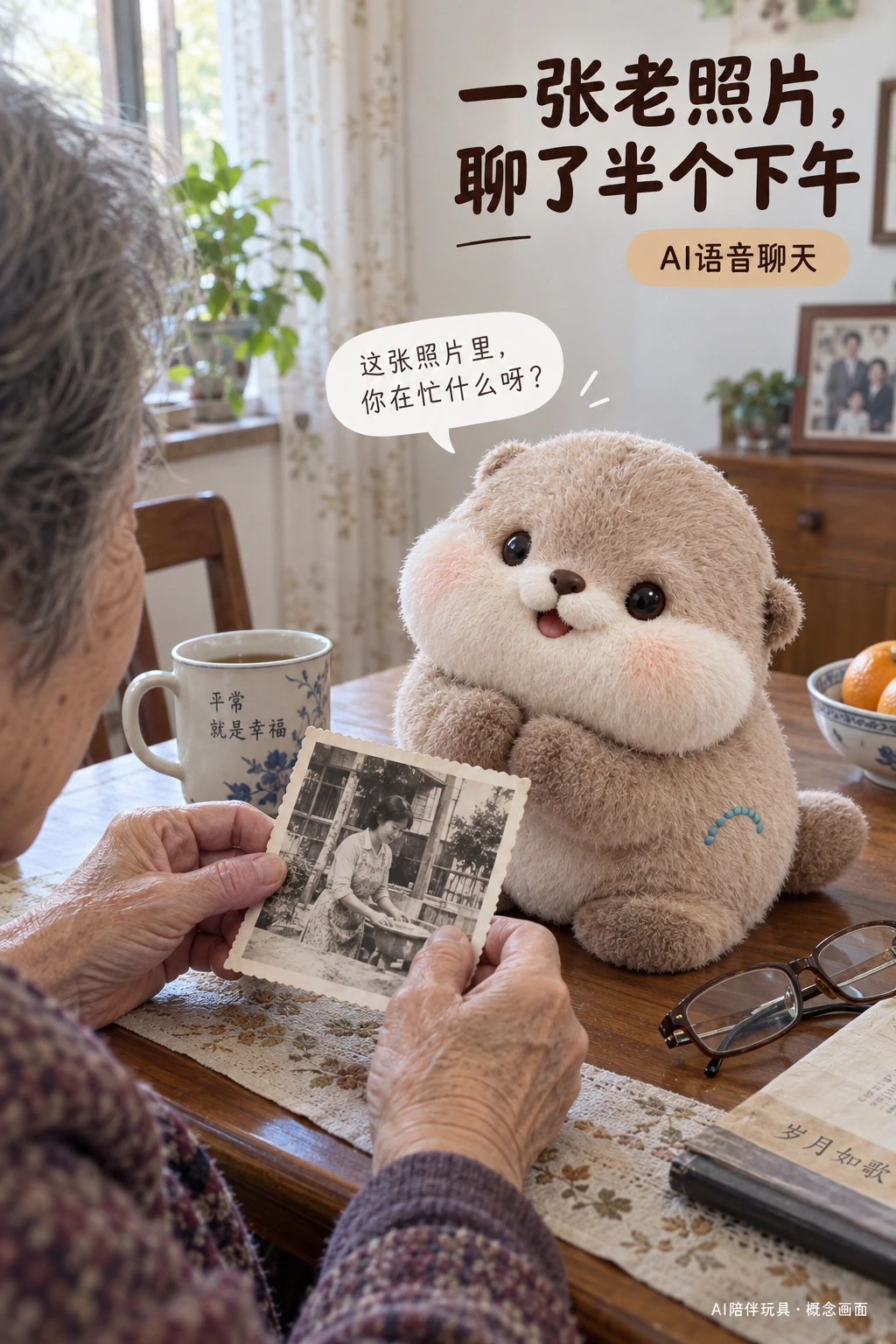 TOVI | Let Familiar Objects Start a Conversation
 View all 6 images ↗

 View all 6 images ↗

 View all 6 images ↗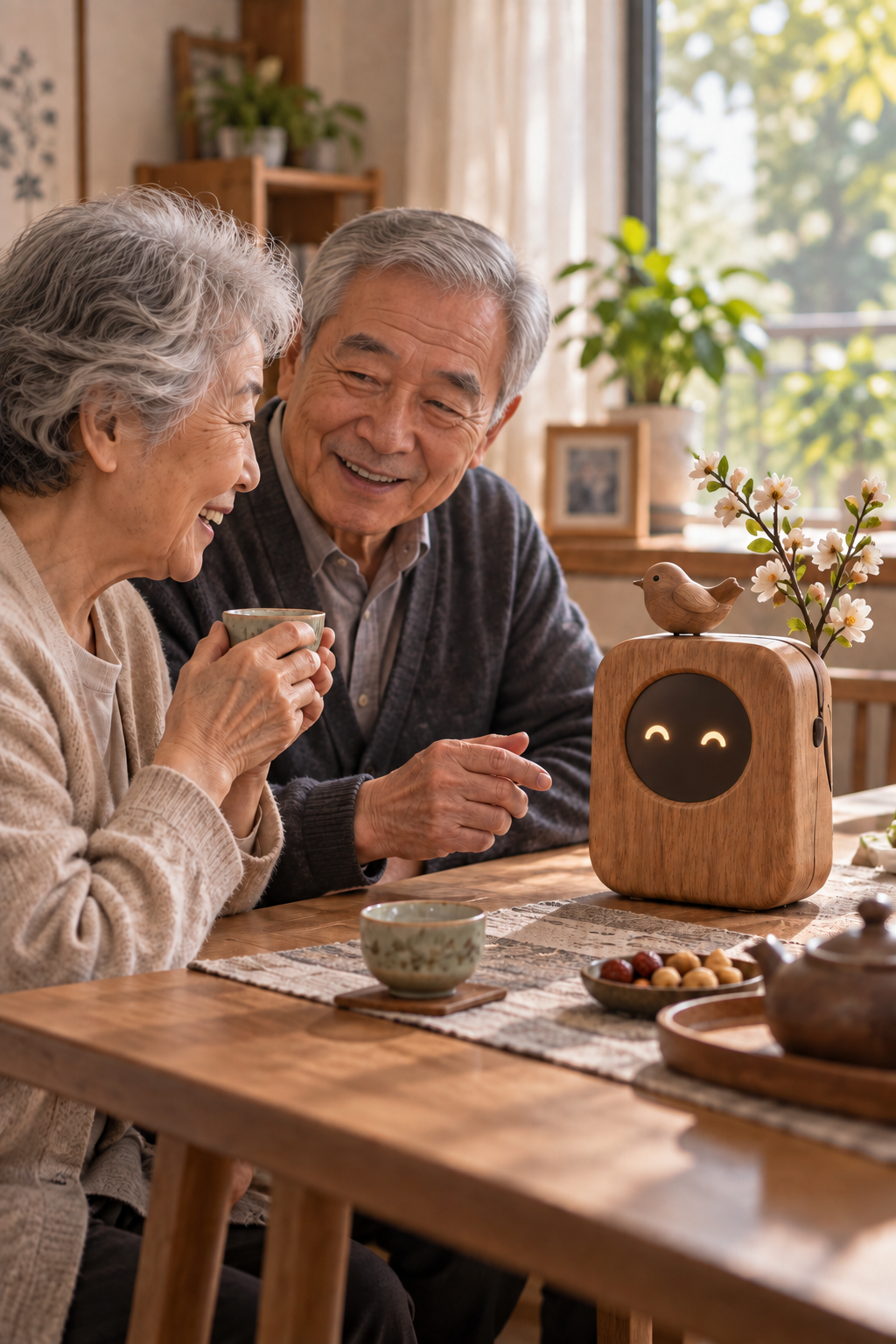
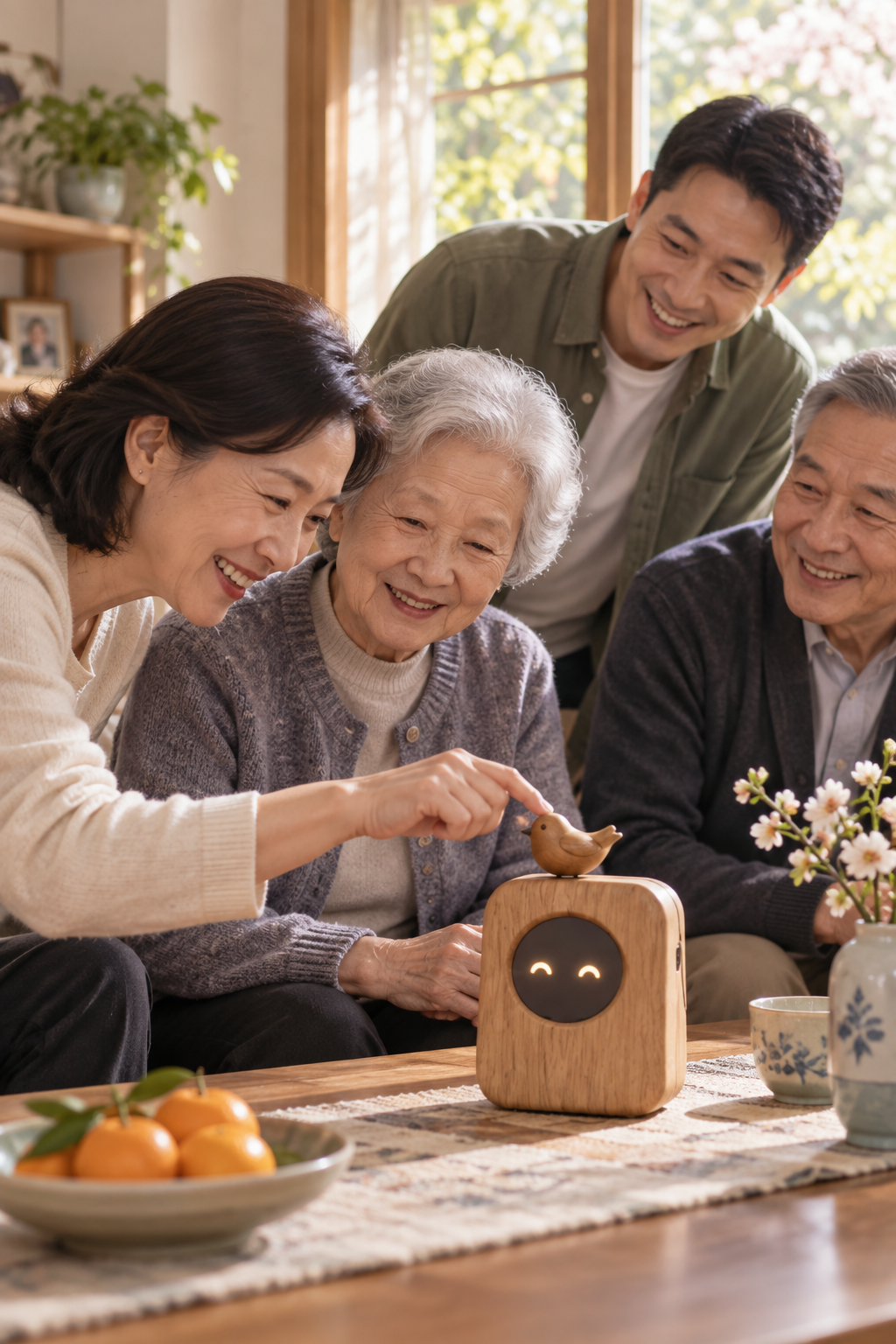
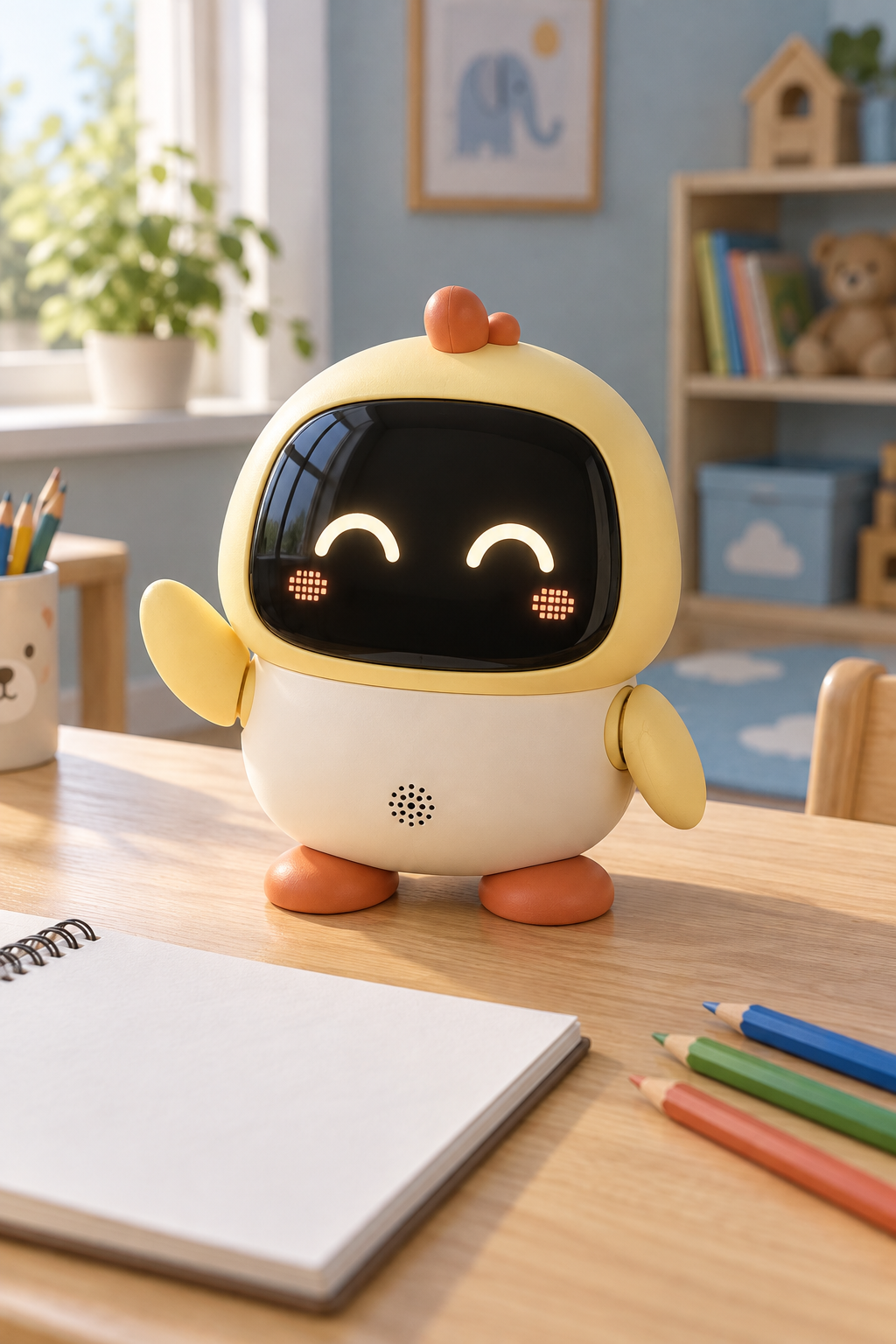 View all 6 images ↗
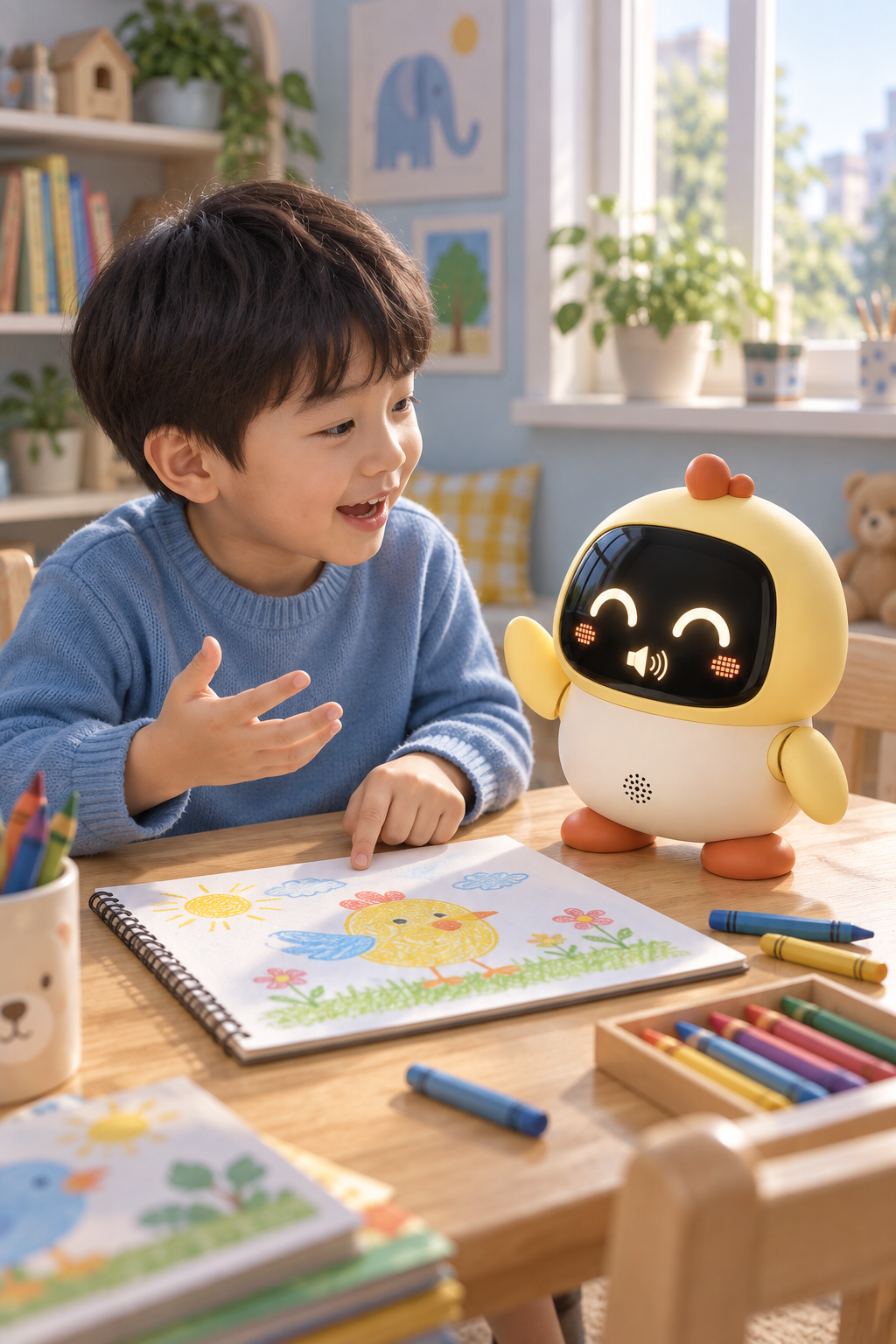
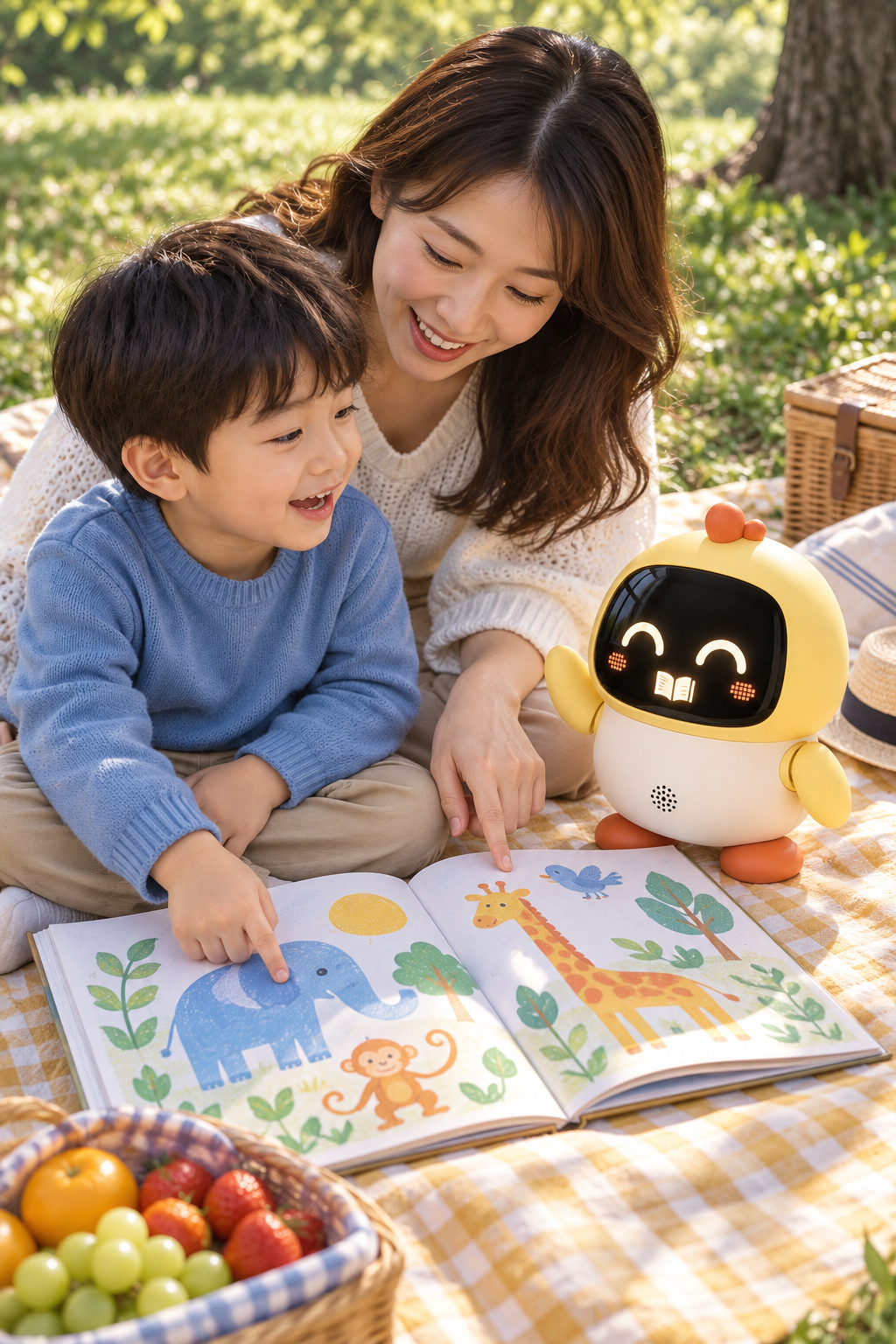
 View image collection ↗

 View image collection ↗
 View image collection ↗
 View full image ↗
 View full image ↗
 View full image ↗
 View full image ↗
 View full image ↗
 View full image ↗
 View full image ↗